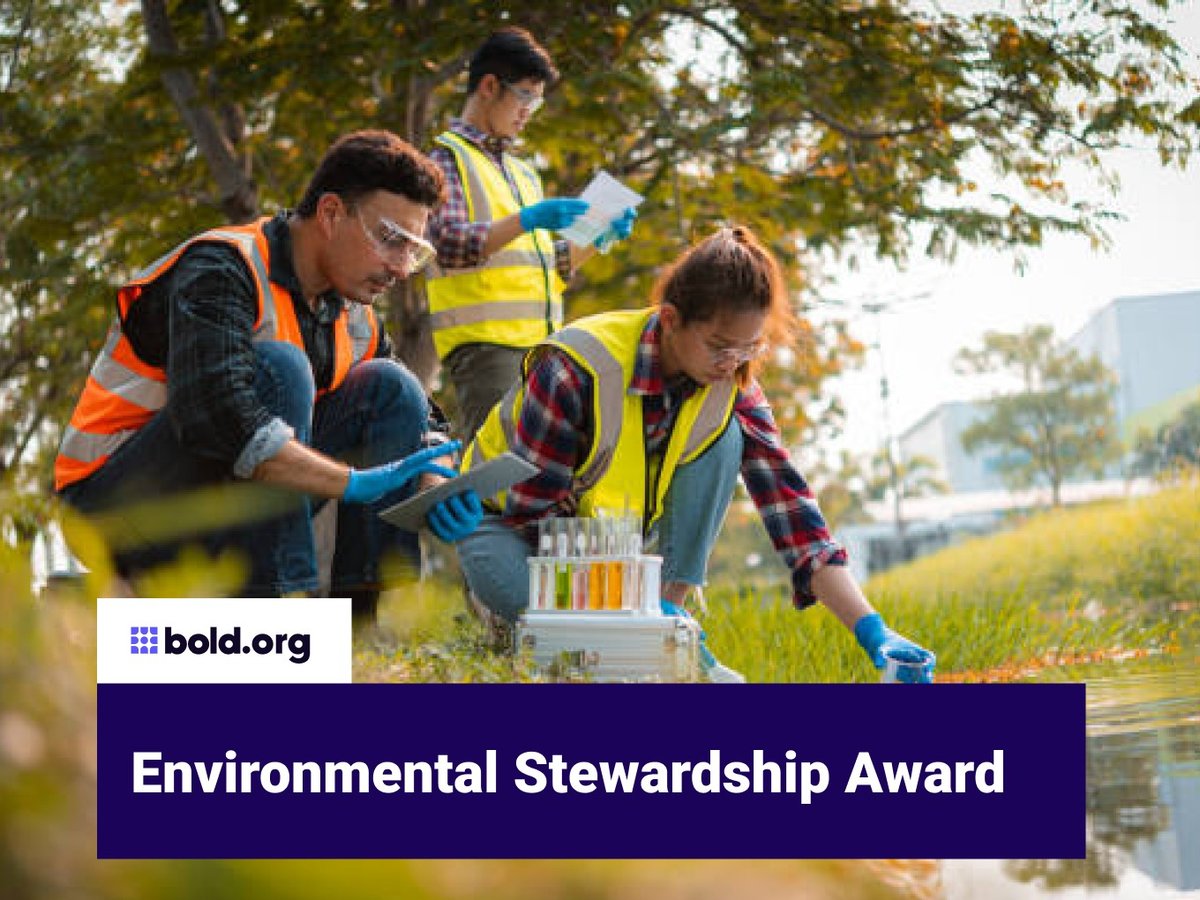
The earth sustains us, offering everything from the air we breathe to the food we eat. But how often do we truly consider our role in protecting it? "Environmental Stewardship & Sustainability" isn't just an academic phrase; it's a profound commitment to using and protecting our natural environment responsibly, ensuring its health and resilience for generations to come. It’s an ethical and moral imperative, recognizing the intricate web of life and our undeniable human impact.
At a Glance: What You'll Learn
- Environmental stewardship is about taking responsible, sustained action to protect our planet.
- It's a proactive commitment to sustainability, ensuring today's needs don't compromise tomorrow's.
- Key elements include responsibility, conservation, respect for nature, education, and collaboration.
- Ignoring stewardship leads to climate change, resource depletion, pollution, and biodiversity loss.
- Everyone plays a role: individuals, businesses, and communities.
- Technology is a powerful ally in monitoring, conserving, and innovating for a greener future.
- The path forward requires collective action and a fundamental shift in how we interact with the natural world.
More Than Just "Going Green": Defining Our Role as Stewards
At its core, environmental stewardship is about responsible guardianship. It’s the active process of managing our environment in a way that respects its intrinsic value and ensures its vitality for both current and future inhabitants. Think of it as a long-term lease on a precious home – you wouldn't trash it; you'd maintain and improve it for those who follow.
This concept isn't just about conservation in isolation. It’s broader, encompassing how we interact with, manage, and utilize the entire environment. While conservation focuses on protecting specific natural resources like forests or endangered species, stewardship looks at the whole picture, integrating those efforts into a larger framework of responsible living and decision-making.
The Six Pillars of True Environmental Stewardship
To truly embrace stewardship, we must embody several key principles:
- Responsibility: Acknowledge both personal and collective accountability for the health of our planet. This isn't someone else's problem; it's ours.
- Sustainability: Meet current needs without compromising the ability of future generations to meet their own. This involves thoughtful consumption and resource management.
- Conservation: Actively protect and preserve vital natural resources—water, air, soil, forests, and the incredible diversity of life they support.
- Respect: Value all forms of life and recognize the inherent worth of the natural world, understanding that we are part of nature, not separate from it.
- Education: Foster environmental awareness and understanding. Knowledge empowers action, helping individuals and communities make informed choices.
- Collaboration: Work together across all levels – individuals, communities, businesses, and governments – to achieve shared environmental goals. Our challenges are interconnected, and so are our solutions.
Why Stewardship Matters Now More Than Ever
Humanity's reliance on natural resources is absolute. From the food on our plates to the materials in our homes, every aspect of modern life is intertwined with the natural world. Yet, our actions have profoundly impacted the planet, leading to critical issues:
- Climate Change: Rising global temperatures, extreme weather events, and sea-level rise threaten lives, livelihoods, and ecosystems worldwide.
- Resource Depletion: Overconsumption and unsustainable practices are draining finite resources, leading to scarcity and conflict.
- Pollution: Contamination of air, water, and soil poses severe risks to human health and destabilizes delicate ecosystems.
- Biodiversity Loss: The alarming rate of species extinction disrupts ecological balance, impacting everything from food security to disease regulation.
Ignoring our environmental responsibilities is no longer an option. The consequences are too dire. Environmental stewardship offers a vital pathway to mitigate these challenges, fostering a future where both humanity and nature can thrive.
Stewardship and Sustainability: Two Sides of the Same Coin
While often used interchangeably, it's helpful to understand the nuanced relationship between environmental stewardship and sustainability. Think of sustainability as the ultimate destination—a state where human societies can exist indefinitely without depleting Earth's resources. Environmental stewardship, then, is the journey, the active process, and the set of practices we adopt to reach that sustainable future.
It's about making conscious choices today to ensure a thriving tomorrow. Organizations like Ontario Power Generation demonstrate a commitment to both, integrating sustainable practices into their operations while actively engaging in stewardship initiatives to protect local ecosystems.
Stewardship in Action: From Conservation to Resilience
The scope of stewardship extends beyond simple protection. It involves a dynamic, forward-looking approach, especially when considering the increasing unpredictability of our climate.
- Conservation is a core component, focusing on preserving specific natural resources. Stewardship broadens this lens to include the overall management and responsible use of the entire environment.
- Resilience-based ecosystem stewardship emphasizes building the capacity of natural systems to recover from disturbances. This perspective acknowledges that our environment is constantly changing, and resource managers are influential participants in shaping its adaptive capacity. It's about designing systems that can bend, not break.
- Biocultural Conservation, as proposed by Ricardo Rozzi, highlights an intercultural, participatory approach. It stresses the importance of long-term socio-ecological research sites (LTSERs) in connecting local initiatives with global networks, recognizing the deep interconnectedness of human cultures and biological diversity.
Who Are Environmental Stewards?
Environmental stewardship isn't exclusive to scientists or activists. It's a role open to everyone, regardless of background. Pro-organizational theory identifies several categories of stewards, illustrating the diverse ways people contribute:
- Doers: These are individuals actively engaged in hands-on work—like participating in a community clean-up, planting trees, or volunteering for habitat restoration projects.
- Donors: People who support environmental causes financially or through contributions, enabling organizations to carry out vital conservation and sustainability work. This could be through fundraising, personal donations, or corporate sponsorships.
- Practitioners: Professionals who dedicate their daily work to environmental advocacy, policy development, and collaboration with various environmental groups and government bodies. They often work behind the scenes, shaping the frameworks that guide our collective efforts.
Each role, whether hands-on, financial, or strategic, is crucial for promoting environmental literacy and encouraging broader participation.
Practical Steps: Becoming an Active Steward
The good news is that stewardship isn't an abstract concept; it's a series of actionable steps we can take every day.
What Individuals Can Do
Your daily choices have a ripple effect. Embracing individual stewardship means:
- Reducing Waste & Recycling: Minimize consumption, reuse items, and rigorously sort recyclables. Composting food waste is another powerful step.
- Conserving Water: Fix leaks, take shorter showers, and use water-efficient appliances and landscaping.
- Using Energy Wisely: Turn off lights, unplug electronics, use energy-efficient appliances, and consider switching to renewable energy sources where possible.
- Supporting Sustainable Agriculture: Choose local, organic, and ethically sourced foods. This reduces transportation emissions and supports environmentally friendly farming practices.
- Planting Trees: Trees clean our air, provide habitats, and combat climate change. Participate in local planting initiatives or plant trees in your own yard.
- Advocating for Policy: Engage with local and national governments to support robust environmental policies. Your voice matters.
- Participating in Community Clean-ups: Join local groups to clean parks, rivers, and beaches, directly improving your local environment.
- Choosing Sustainable Transportation: Walk, bike, use public transit, or carpool whenever possible to reduce your carbon footprint.
- Eating Locally & Sustainably: Reduce the environmental impact of your food choices by selecting seasonal, locally grown produce and reducing meat consumption.
What Businesses Can Do
Businesses have immense power to drive change, beyond just bottom-line profits. Environmental stewardship in business involves:
- Adopting Sustainable Business Practices: This includes reducing waste in manufacturing, conserving energy in operations, and using sustainable materials throughout the supply chain.
- Investing in Renewable Energy: Transitioning to solar, wind, or other clean energy sources reduces reliance on fossil fuels.
- Implementing Responsible Supply Chain Management: Ensuring that all suppliers adhere to ethical and environmentally sound practices, from raw material extraction to final product delivery.
- Supporting Environmental Conservation Projects: Partnering with NGOs or funding initiatives that protect natural habitats and biodiversity.
- Promoting Circular Economy Principles: Designing products for durability, reuse, and recycling to minimize waste and maximize resource efficiency.
What Communities Can Do
Collective action at the community level amplifies individual efforts, creating significant impact:
- Education and Outreach Programs: Informing residents about local environmental issues and sustainable living practices.
- Community Gardens and Green Spaces: Creating shared spaces that foster local food production, enhance biodiversity, and provide recreational opportunities.
- Local Environmental Initiatives: Organizing clean-up days, tree-planting drives, and advocating for local policy changes.
- Sustainable Infrastructure Projects: Investing in green buildings, efficient public transportation, and renewable energy grids.
- Supporting Local Businesses with Sustainable Practices: Encouraging and rewarding businesses that prioritize environmental responsibility.
Successful Initiatives: Inspiring Hope
Across the globe, numerous programs demonstrate the power of environmental stewardship:
- Amazon Rainforest Reforestation: Large-scale projects are reforesting degraded areas, restoring biodiversity, and combating climate change.
- Sustainable Fishing Practices: Initiatives that ensure fish populations remain healthy, protecting marine ecosystems and livelihoods.
- Renewable Energy Projects: The rapid development and deployment of solar and wind farms, drastically reducing reliance on fossil fuels.
- National Parks and Protected Areas: Establishment and expansion of protected lands and waters to conserve critical habitats and biodiversity.
- Pesticide Environmental Stewardship Program (PESP): The US EPA's program works with pesticide users to reduce the risks associated with pesticide use, promoting safer alternatives.
- UK Agricultural Incentives: Since 2006, the UK has offered incentives to farmers, placing stewardship at the heart of land, crop, animal, and material management, exemplified by awards like the Environmental Stewardship Award.
Overcoming Obstacles to a Sustainable Future
Despite growing awareness, significant hurdles remain. Addressing these is crucial for the widespread adoption of environmental stewardship.
Common Barriers:
- Lack of Awareness and Education: Many people simply don't understand the severity of environmental issues or their own potential impact.
- Economic Incentives: Short-term profits often outweigh long-term environmental health, leading businesses and individuals to prioritize immediate gains.
- Political Inertia: Lack of strong environmental policies or political will can hinder progress and allow unsustainable practices to continue.
- Cultural Norms and Habits: Deep-seated cultural habits that encourage consumption and waste are hard to break.
- Apathy or Helplessness: The sheer scale of environmental problems can lead to feelings of overwhelm, making individuals feel their actions won't make a difference.
Solutions: The Path Forward
- Education and Awareness Campaigns: Invest in widespread programs that clearly communicate environmental challenges and actionable solutions.
- Economic Incentives for Sustainability: Implement policies that reward sustainable practices (e.g., tax breaks for green businesses, subsidies for renewable energy) and penalize polluters.
- Strong Policy and Regulation: Governments must enact and enforce robust environmental laws that protect ecosystems and promote responsible resource use.
- Fostering a Culture of Stewardship: Promote environmental values through education, media, and community initiatives to shift societal norms.
- Empowering Action: Highlight successful initiatives and provide clear, simple steps for individuals and communities to get involved, demonstrating that collective action truly makes a difference.
The Economic & Technological Dividend of Stewardship
Environmental stewardship isn't just good for the planet; it's also good for the economy and human well-being.
Contribution to Economic Prosperity:
- New Green Jobs: The transition to a green economy creates new employment opportunities in renewable energy, sustainable agriculture, ecological restoration, and more.
- Reduced Resource Costs: Efficiency, waste reduction, and the use of recycled materials lower operational costs for businesses and households.
- Improved Public Health: Cleaner air and water reduce healthcare costs and increase productivity.
- Enhanced Tourism and Recreation: Protected natural areas attract tourists, boosting local economies and providing recreational opportunities for communities.
- Stronger Community Resilience: Sustainable practices build communities that are better equipped to withstand environmental shocks and resource scarcity.
The Role of Technology: A Powerful Ally
Technology is instrumental in advancing environmental stewardship efforts:
- Renewable Energy Technologies: Continued innovation in solar, wind, geothermal, and hydro power makes clean energy more accessible and affordable.
- Energy-Efficient Appliances and Devices: Smart home technology, efficient lighting, and advanced insulation drastically reduce energy consumption.
- Smart Resource Management: IoT sensors and AI-driven platforms optimize water usage in agriculture, monitor waste streams, and manage energy grids.
- Environmental Monitoring: Advanced sensors and satellite imagery provide real-time data on air and water quality, deforestation rates, biodiversity health, and climate patterns, enabling informed decision-making and rapid response.
- Sustainable Materials Innovation: Developing biodegradable plastics, recycled building materials, and eco-friendly manufacturing processes.
Measuring Success: How Do We Know We're Making a Difference?
To ensure our efforts are effective, we need clear metrics. Measuring the success of environmental stewardship involves tracking:
- Greenhouse Gas Emission Reductions: Quantifying the decrease in carbon dioxide and other harmful gases released into the atmosphere.
- Improved Air and Water Quality: Monitoring levels of pollutants and seeing tangible improvements in environmental health.
- Increased Biodiversity: Tracking the health and populations of various species and the expansion of protected habitats.
- Decreased Resource Consumption: Measuring reductions in water, energy, and raw material usage.
- Shifts in Public Attitudes and Behavior: Surveys and behavioral studies can indicate a growing environmental consciousness and adoption of sustainable practices.
Our Shared Future: A Call to Action
The future of environmental stewardship and sustainability hinges on our collective ability to prioritize the health of our planet. It demands a significant cultural shift towards a society that inherently values ecological integrity and sustainable living.
This isn't about sacrifice; it's about re-imagining our relationship with the natural world – one built on respect, innovation, and shared responsibility. By fostering deeper collaboration across all sectors, leveraging the power of technology, and empowering every individual to act as a steward, we can build a future where both humanity and nature not only survive but thrive. Let's make that future a reality, together.