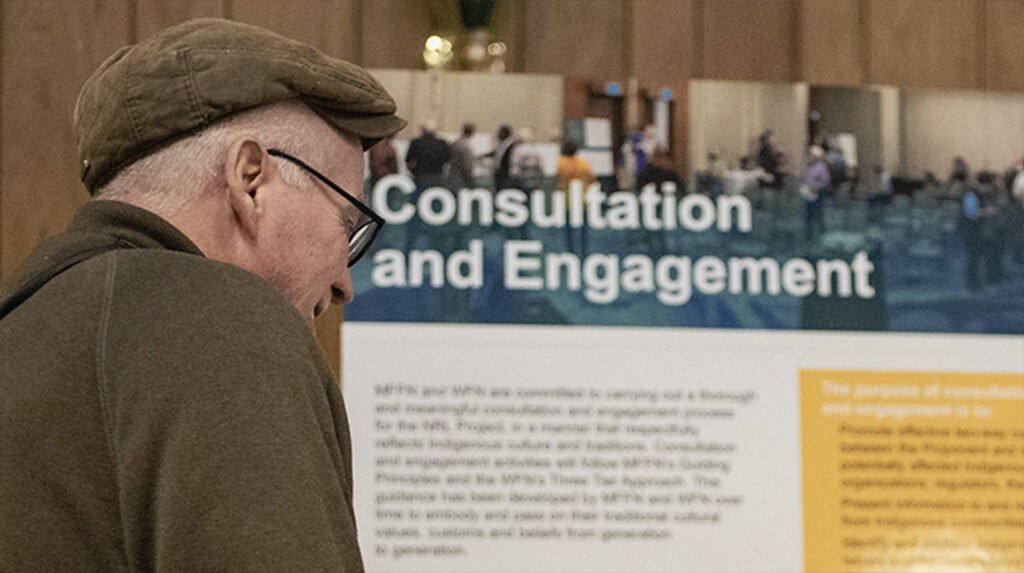
Navigating the complex, yet profoundly rewarding, landscape of Community Engagement & Indigenous Relations isn't merely about ticking boxes or meeting regulatory requirements. It's about forging genuine, respectful, and sustainable partnerships that empower Indigenous communities, advance reconciliation, and create shared prosperity for all. This journey demands a deep commitment to understanding, respect, and mutual benefit, moving beyond historical power imbalances to truly collaborative futures.
At a Glance: Navigating Indigenous Relations Effectively
- Beyond Compliance: True engagement prioritizes authentic relationships and shared value creation over basic consultation.
- Reconciliation as a Framework: The United Nations Declaration on the Rights of Indigenous Peoples (UNDRIP) and the Truth and Reconciliation Commission (TRC) Calls to Action are essential guides.
- Empowerment & Self-Determination: Focus on initiatives that build Indigenous capacity, foster economic growth, and support community-led development.
- Cultural Competency: Integrate Indigenous perspectives, traditional knowledge, and respect for distinct protocols into all strategies.
- Long-Term Commitment: Building trust is an ongoing process that requires consistent, honest, and reciprocal engagement.
Beyond Consultation: The True Meaning of Engagement
For too long, "community engagement" with Indigenous peoples often defaulted to minimal consultation—a transactional exercise designed to inform rather than to truly involve. Today, leading organizations recognize this approach is not only outdated but counterproductive. The modern imperative in Community Engagement & Indigenous Relations is to transition from mere consultation to meaningful collaboration, partnership, and ultimately, co-creation.
As Indigenous & Community Engagement (ICE) highlights, this transformation involves providing actionable, strategic solutions that foster economic empowerment and sustainable partnerships. It's about creating pathways to prosperity where Indigenous Nations lead their own development, ensuring economic growth, cultural preservation, and self-determination work hand-in-hand. This isn't just a moral obligation; it's a strategic imperative for any entity operating within traditional Indigenous territories.
Why It Matters: The Imperative for Authentic Relationships
Engaging authentically with Indigenous communities is no longer a peripheral consideration; it’s central to ethical operations, business success, and the advancement of reconciliation.
The Moral and Ethical Imperative
Canada's history includes profound injustices against Indigenous peoples. Recognizing and addressing this legacy through reconciliation is a collective responsibility. Engaging respectfully acknowledges Indigenous rights, sovereignty, and the deep connection Indigenous communities have to their traditional lands, as Pembina articulates. It means honoring distinct cultures, languages, traditions, and priorities, fostering a future built on justice and equity.
The Business Imperative: Project Success, ESG, and Innovation
For industries and governments, strong Indigenous relations directly impact project viability and long-term success.
- Reduced Risk: Proactive and trust-based engagement minimizes legal challenges, project delays, and reputational damage. When communities feel heard and valued, they are more likely to support initiatives.
- Enhanced ESG Performance: Environmental, Social, and Governance (ESG) standards increasingly demand robust Indigenous engagement. Companies like Pembina recognize the significant role Indigenous communities play in evolving ESG frameworks, positioning strong relations as a competitive advantage.
- Innovation and Better Outcomes: Integrating traditional knowledge and Indigenous perspectives can lead to more sustainable, culturally appropriate, and innovative solutions, especially in environmental stewardship and resource management.
- Economic Opportunity: Partnerships can unlock significant economic benefits for all parties, fostering stable workforces and supply chains. For example, Pembina advocates for strategies for Indigenous economic development through direct employment and contracting, creating transparent processes for Indigenous suppliers.
The Societal Imperative: Stronger Communities, Shared Prosperity
Ultimately, effective Community Engagement & Indigenous Relations contributes to a stronger, more inclusive society. By supporting Indigenous self-determination and economic empowerment, we build resilient communities, foster diverse economies, and strengthen the social fabric of the nation. It redefines reconciliation not as an endpoint, but as an ongoing process of mutual growth and respect.
Foundational Frameworks: Guiding Principles for Engagement
Authentic engagement is anchored in widely recognized international and national frameworks that provide a roadmap for ethical and respectful interaction.
The United Nations Declaration on the Rights of Indigenous Peoples (UNDRIP)
UNDRIP serves as a universal framework for the rights of Indigenous peoples. A cornerstone of UNDRIP is the principle of Free, Prior, and Informed Consent (FPIC). This means that Indigenous communities have the right to give or withhold consent to projects affecting their lands or territories, after receiving full and accurate information, and without coercion. Pembina specifically highlights the principles of UNDRIP as a framework for reconciliation, demonstrating its importance in corporate policy.
FPIC moves beyond simply consulting to ensure Indigenous communities are active decision-makers in developments impacting them. It's not a veto right in every instance, but a fundamental right to participate in decisions that affect their lives and futures.
The Truth and Reconciliation Commission of Canada (TRC) Calls to Action
The TRC's 94 Calls to Action emerged from the residential schools' legacy, outlining steps for reconciliation across various sectors. For businesses, Call to Action Number 92 is particularly salient. It calls on corporate Canada to adopt UNDRIP as a reconciliation framework, commit to meaningful consultation, ensure equitable access to training and employment, and provide education on Indigenous history and rights for management and staff.
Industry leaders like Pembina affirm the collective responsibility to advance the TRC's Calls to Action, specifically Call to Action 92, in their approach to business and reconciliation.
Local Protocols and Traditional Knowledge
Beyond international declarations and national calls, respect for local Indigenous protocols and the integration of traditional knowledge are non-negotiable. Every Indigenous Nation has unique governance structures, customary laws, and communication protocols. Effective engagement begins with learning and respecting these specific ways of operating. Incorporating traditional ecological knowledge, for instance, can lead to superior environmental outcomes and more sustainable project designs.
Pillars of Transformational Indigenous Relations
Building truly transformational relationships requires a multi-faceted approach, integrating several key pillars into an organization's core strategy.
1. Lifecycle Engagement & Two-Way Communication
Engagement isn't a one-time event; it's an ongoing dialogue that spans the entire lifecycle of a project, from conception through to operations and reclamation.
- Early & Ongoing: Involve Indigenous communities at the earliest stages of project conceptualization, not just when permits are required. This allows for genuine input and influence on project design.
- Honest & Transparent: Foster two-way communication built on honesty and clarity. This means sharing information openly and being prepared to listen, adapt, and respond to concerns.
- Formalizing Relationships: Long-term relationships can be solidified through agreements, joint ventures, and other formal structures that ensure lasting collaboration.
This proactive approach maximizes Indigenous participation while minimizing potential negative impacts, as Pembina outlines in its approach to lifecycle engagement, which includes incorporating Indigenous knowledge into project design and operational planning.
2. Economic Empowerment & Self-Determination
One of the most powerful pathways to reconciliation is economic empowerment. This involves creating tangible opportunities that support Indigenous self-reliance and growth.
- Training & Employment: Prioritize training programs that build skills within Indigenous communities, leading to direct employment opportunities within projects and beyond.
- Business & Contracting Opportunities: Implement transparent processes to ensure Indigenous-owned businesses have equitable access to contracting and procurement opportunities. This strengthens local economies and builds Indigenous capacity.
- Equity Ownership & Revenue Streams: Facilitate opportunities for Indigenous communities to hold equity in projects, generating long-term, self-reliant revenue streams that support their own development priorities.
Case in Point: Cedar LNG & Chinook Pathways
These transformational partnerships exemplify economic empowerment: - Cedar LNG: This proposed floating LNG facility in Kitimat, BC, is a partnership between the Haisla Nation and Pembina. Significantly, it will be Canada's first Indigenous majority-owned LNG export facility, demonstrating how Indigenous Nations can lead major industrial projects while upholding stringent environmental standards. This initiative champions Indigenous prosperity, inclusion, and mutual economic benefit.
- Chinook Pathways: This Indigenous-led partnership, formed by the Western Indigenous Pipeline Group (WIPG) with Pembina as their partner, seeks equity ownership in the Trans Mountain Pipeline and Expansion. It aims to establish a collaborative ownership framework for Indigenous communities, redefining what economic reconciliation looks like on a national scale.
These examples, where Indigenous communities become owners and operators, showcase a paradigm shift from being merely impacted stakeholders to empowered partners and leaders.
3. Cultural Appreciation & Preservation
Deepening cultural appreciation is fundamental to respectful relations. It goes beyond acknowledging differences to actively valuing Indigenous cultures and traditional knowledge.
- Cultural Awareness Training: Provide employees and leaders with ongoing Indigenous cultural awareness and educational opportunities. This builds empathy, reduces stereotypes, and fosters a more inclusive workplace.
- Integrating Traditional Knowledge: Recognize traditional knowledge as a valuable source of insight, particularly in areas like environmental management, land stewardship, and sustainable practices. Integrating this knowledge into project planning can lead to better, more holistic outcomes.
- Support for Cultural Initiatives: Invest in programs that support the preservation and revitalization of Indigenous languages, arts, and cultural practices.
For a deeper dive into how this plays out in practice, Learn about Ontario Power Generation's approach to integrating Indigenous perspectives.
4. Community Development & Investment
Strategic community investment, guided by community-specific needs, is a vital component. This isn't charity; it's an investment in the social capital and well-being of the communities where operations occur.
- Needs-Based Investments: Decisions on community investments should be based on the unique needs and priorities identified by the Indigenous community itself, ensuring resources are directed where they will have the most impact.
- Long-Term Impact: Focus on investments that create lasting positive change in areas such as education, health, infrastructure, or youth programs.
- Honoring TRC Calls: Community investment decisions can directly support TRC Call to Action Number 92, demonstrating a tangible commitment to reconciliation.
Building Bridges: A Practical Roadmap for Engagement
Successfully navigating Community Engagement & Indigenous Relations requires a deliberate and thoughtful approach. Here’s a practical roadmap:
Step 1: Listen & Learn Profoundly
Before any project takes shape, invest time and resources in understanding the Indigenous communities involved.
- Research History & Context: Understand the specific history, treaties, traditional territories, and unique cultural context of each Nation.
- Engage Elders & Knowledge Keepers: Seek out and respect the wisdom of Elders and traditional knowledge keepers.
- Understand Governance & Protocols: Learn their decision-making processes, leadership structures, and preferred communication channels. No two Nations are identical; assuming homogeneity is a significant misstep.
Step 2: Build Trust, Not Transactions
Trust is the bedrock of any successful relationship. It's earned over time through consistent, transparent, and respectful actions.
- Long-Term Commitment: Demonstrate that your commitment is long-term, extending beyond the immediate needs of a project.
- Transparency: Be open about intentions, potential impacts, and limitations. Honesty, even when delivering difficult news, is crucial.
- Consistency: Follow through on commitments. Inconsistencies erode trust quickly.
- Respectful Presence: Ensure your representatives conduct themselves with humility and respect for Indigenous ways of knowing and being. This is the art of building trust with communities.
Step 3: Co-Create Solutions, Don't Just Consult
Shift from presenting pre-conceived plans to actively involving Indigenous voices in the design and planning process.
- Joint Planning Tables: Establish joint working groups or committees where Indigenous representatives have equal standing in decision-making.
- Integrate Feedback: Demonstrate how community input has genuinely shaped project design, mitigation strategies, or benefit-sharing agreements.
- Capacity Building: Support Indigenous communities in developing their technical capacity to participate effectively in complex project discussions, as ICE does with its Indigenous clients.
Step 4: Ensure Equitable Benefit Sharing
Meaningful engagement leads to shared benefits that contribute to Indigenous self-determination.
- Economic Partnerships: Move beyond mere employment to creating opportunities for equity ownership, joint ventures, and Indigenous-led businesses.
- Capacity Development: Invest in training and education programs identified by the communities themselves to build skills for current and future opportunities.
- Community Investments: Align community investment programs with Indigenous-identified priorities, addressing local needs in areas like infrastructure, health, or education.
Step 5: Follow Through & Adapt
Engagement is an iterative process.
- Accountability: Be accountable for commitments made. Regularly report back to communities on progress.
- Monitoring & Evaluation: Jointly establish metrics for success that go beyond economic indicators to include social, cultural, and environmental well-being.
- Flexibility & Adaptation: Be prepared to adapt plans as new information emerges or circumstances change. Relationships evolve, and your approach should too.
Common Pitfalls and How to Avoid Them
Even with the best intentions, organizations can stumble. Being aware of common pitfalls helps prevent missteps.
- Tokenism: Treating engagement as a symbolic gesture rather than a genuine pursuit of partnership. Avoid: Ensure Indigenous voices have real power and influence in decisions.
- One-Off Consultations: Viewing engagement as a finite event rather than an ongoing relationship. Avoid: Commit to long-term, continuous dialogue and relationship building.
- Assuming Homogeneity: Believing all Indigenous communities are the same. Avoid: Recognize and respect the distinct languages, cultures, traditions, and protocols of each Nation.
- Lack of Follow-Through: Making commitments but failing to deliver. Avoid: Be realistic about what you can promise and ensure you have the resources and will to deliver.
- Insufficient Internal Education: Failing to educate internal staff and leadership on Indigenous history, rights, and cultural protocols. Avoid: Implement robust cultural awareness training for all relevant personnel, as Pembina does.
- Focusing Only on Financial Transaction: Reducing the relationship to just economic exchanges without addressing deeper issues of respect, land stewardship, and self-determination. Avoid: Build a holistic relationship that values cultural, social, and environmental considerations alongside economic ones.
Measuring Success: Beyond Compliance
How do you know if your Community Engagement & Indigenous Relations efforts are truly successful? It's more than just meeting legal requirements or securing permits.
- Relationship Quality: Are relationships characterized by trust, mutual respect, and open communication? Are Indigenous partners willing to bring forward concerns knowing they will be heard?
- Indigenous Self-Determination: Are your initiatives genuinely empowering Indigenous communities to make their own decisions and pursue their own development priorities? Are there tangible increases in Indigenous-led governance, business ownership, and capacity?
- Shared Value Creation: Are both your organization and Indigenous communities realizing tangible benefits that align with their respective goals, including economic, social, cultural, and environmental outcomes?
- Project Resilience: Are projects proceeding with greater stability, fewer disputes, and stronger community support due to robust relationships?
- Integration of Indigenous Perspectives: Is traditional knowledge and Indigenous worldviews being genuinely integrated into planning, design, and operations, leading to better overall project outcomes?
Ultimately, success is measured by the strength of the partnerships, the depth of the mutual respect, and the tangible advancements towards reconciliation and Indigenous empowerment.
Your Role in Advancing Reconciliation
The journey of Community Engagement & Indigenous Relations is continuous, challenging, and profoundly impactful. It requires patience, humility, and a steadfast commitment to building a more equitable and prosperous future. Whether you represent an industry, a government body, or are simply an engaged citizen, your actions contribute to this vital work.
By embracing the principles of UNDRIP, responding to the TRC Calls to Action, and committing to genuine partnership, we can move beyond historical harms to create a legacy of collaboration, respect, and shared success. It's an opportunity to redefine reconciliation not as a distant goal, but as a living process, built one relationship at a time. The path forward is one of mutual learning, respect, and the unwavering belief in the power of true engagement to transform lives and communities.